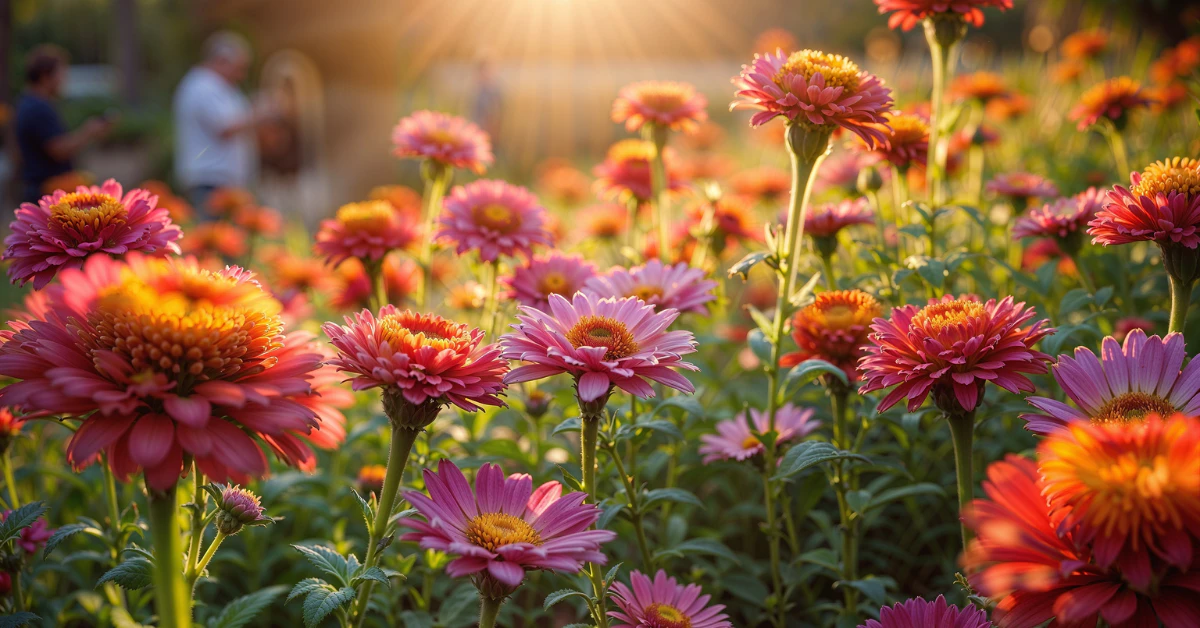
Orange and red flowers glowing in warm sunset light

Zinnia vs. Dahlia: The Ultimate Cutting Garden Showdown (And What You Need to Know Before Planting)

Zinnias are annuals grown from seed, so they won’t return next year and you start fresh each spring. Dahlias grow from tubers and are tender perennials, hardy in zones 8 to 10. In colder climates, you must dig up the tubers and store them over winter. I’m planning my cutting garden for next year right […]

Continue Reading
Close-up of a purple lavender flower in bloom

Lavender Plant Care 101: How to Keep Yours Alive & Thriving

Lavender needs full sun, gritty soil that drains fast, and a soil pH of 6.5 to 7.5. Water deeply but rarely once it is established. One tablespoon of slow-release food per plant covers a whole season, so skip extra fertilizer. Plant after the last spring frost. Prune yearly into green growth, never into bare wood. […]

Continue Reading
Hands digging freshly harvested potatoes out of garden soil

When to Harvest Potatoes: The Foolproof 2-Step Test & Timing Guide

New potatoes are ready about 6 to 8 weeks after planting, often once the plants flower. Storage potatoes are ready about 2 weeks after the vines die back completely. I know the pull to dig early. Every year I poke around a hill just to peek, and every year I find tiny tubers that needed […]

Continue Reading
Calathea houseplant with large green patterned leaves on white background

The Ultimate Prayer Plant Care Guide: Fix Crispy Leaves and Stop Guessing

Give your prayer plant bright, indirect light and evenly moist soil. Water less in winter. Keep the air humid, and keep the plant away from cold drafts. Skip direct sun, which bleaches the leaves. Get those four habits right and most common problems, like crispy edges, get easier to fix. Most prayer plants arrive the […]

Continue Reading
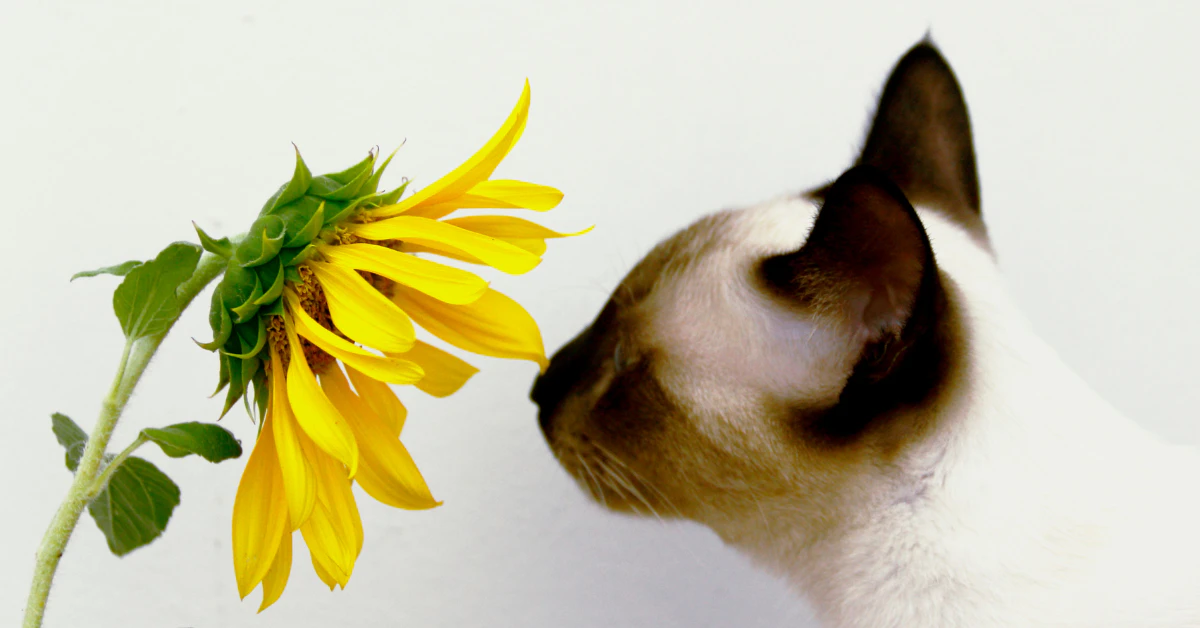
Siamese cat sniffing a sunflower

Are Sunflowers Toxic to Cats? The ASPCA Truth Plus 3 Hidden Bouquet & Garden Dangers

No. The ASPCA lists Helianthus, the sunflower group, as non-toxic, so your cat’s nibble is not expected to be life-threatening. Take a deep breath. Still, any plant can cause mild vomiting or an upset stomach. Two hidden risks, lilies in mixed bouquets and seed shells, deserve a closer look below.  What the ASPCA Actually Says […]

Continue Reading
Colorful tulip garden with red and orange flowers beside a tree and green lawn

Can You Plant Tulips in Spring? The Leftover Bulb Rescue Guide

Yes, you can plant tulips in spring, but don’t expect a full show of flowers this year. Spring-planted tulip bulbs usually grow leaves only. Real blooms often wait until the following spring, after the bulb finally gets the cold season it needs. So if you just found a forgotten bag of bulbs in the garage, […]

Continue Reading
Small palm trees growing in a sunny garden yard

9 Best Small Palm Trees That Won’t Wreck Your Yard (or House)

If you want a palm that stays small for good, choose Pygmy Date Palm, Parlor Palm, or Dwarf Palmetto. These three top out at 6 to 10 feet or less, even after years of growth. They won’t turn into a towering tree that crowds your yard or scrapes your roofline. Here’s the problem a lot […]

Continue Reading
Crepe myrtle tree in full bloom with pink flowers

The Ultimate Guide: When to Trim Crepe Myrtle Trees (State-by-State)

The best time to trim crepe myrtle trees is in late winter, during the dormant season. This usually falls between January and March, before new buds break open. Pruning in this window keeps your tree healthy and sets it up for strong summer blooms. Timing matters because crepe myrtles flower on new growth. Cut too […]

Continue Reading
Green and reddish leaves on a plant branch showing natural leaf shedding

Why Is My Plant Shedding Leaves? The Ultimate Normal vs. Warning Guide (With Toxicity Alerts)

Plant shedding leaves is usually not a crisis. It’s your plant doing something it was built to do. Here’s the quick answer: shedding is a process called abscission. A plant grows a special layer of cells where each leaf meets the stem, called the abscission zone. When the plant is ready to let go of […]

Continue Reading
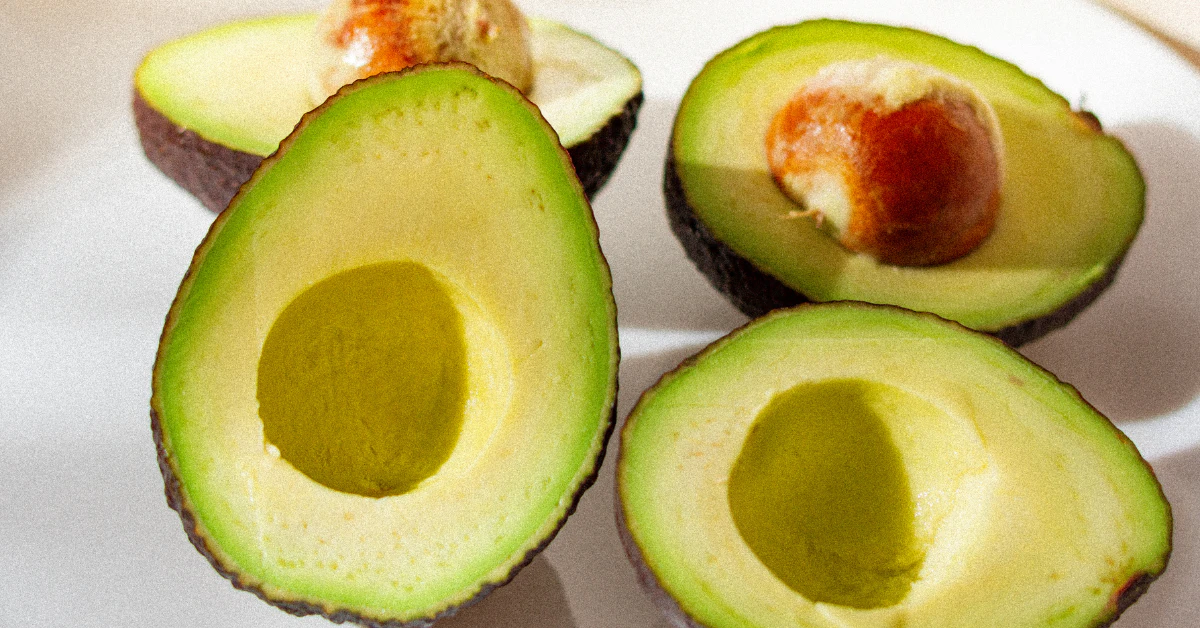
Halved ripe avocados with the seed pit still inside one half

Planting Avocado Seed Pit: The No-Fail Guide to Sprouting (With or Without Toothpicks)

To plant an avocado seed pit, rinse off every bit of fruit flesh so mold has nothing to feed on. Find the flat bottom (that’s the root end) and the slightly pointy top (the shoot end). Then sprout it one of three ways: suspend it over water with toothpicks, wrap it in a damp paper […]

Continue Reading